

I work as a home-network and streaming-device installer in southern Ontario, and I have spent years fixing television setups that looked simple on the box but failed in daily use. I usually meet people after they have already changed apps, reset passwords, and blamed the television three times. My job is to separate service problems from Wi-Fi problems and device problems. That practical habit shapes how I look at Flixtele and any similar IPTV option.
I Start With the Home Network
I never judge a streaming service until I know the connection is stable at the television. A speed test beside the router can show a strong result while the TV room receives half that speed through two walls and a crowded hallway. I test in the exact place where the device will run, usually with the television turned on and other household devices connected. A 4K stream needs more breathing room than a basic news channel, so a weak corner of the house can expose trouble quickly.
I prefer a wired Ethernet connection for a fixed television because it removes several common variables at once. Where a cable is not practical, I use the 5 GHz Wi-Fi band at short range and keep the streaming box away from metal cabinets or the back of a crowded media unit. I once helped a family whose Fire TV device dropped every evening because the router sat inside a closed wooden console beside a cordless phone base. Moving it about 2 metres and changing the Wi-Fi channel solved more than any app reset had done.
I also check what the household is doing during busy hours. Two video calls, a game download, and a second television can change the result even when the internet package looks fast on paper. I normally test between 7 p.m. and 10 p.m., since that is when many families actually watch live programs. That test matters.
I Test the Service Before Committing
Before I change settings on a customer’s main television, I open flixtele.ca and review the current trial, device, billing, and support terms. At the time I checked, the site advertised a 24-hour trial and instant delivery, but I still tell people to save a screenshot because offers can change. I use the trial on the exact device planned for regular viewing rather than testing only on a fast phone. A service that works for ten minutes on mobile data may behave differently on a living-room television.
I spend part of the trial switching between ordinary channels instead of watching one film from start to finish. My usual check includes a local station, a live sports feed, a children’s channel, and one on-demand title. I watch how fast each stream opens, whether the audio stays in sync, and whether the picture recovers after a pause. Small delays become obvious.
I also restart the device during the test because a clean first session can hide login or loading problems. After the restart, I confirm that favourites remain saved and that the electronic program guide still loads correctly. I then leave the app idle for about 20 minutes before opening another stream. This simple routine shows me more than scrolling through a huge channel count.
Device Setup Matters More Than Marketing
I have seen the same service feel smooth on one device and frustrating on another. Older smart televisions often have limited memory, slow processors, and app stores that stop receiving useful updates. I usually get better results from a recent Fire TV, Android TV box, Apple TV, or another supported external player. The television then acts mainly as a screen, while the streaming device handles the app and decoding work.
I keep at least 1 to 2 GB of free storage on small streaming devices because crowded storage can slow menus and updates. I clear abandoned apps, old download files, and oversized caches before blaming the subscription. On one setup last winter, the player froze every few minutes because the device had less than 200 MB free. After cleanup and a restart, the same streams played normally for the rest of the visit.
I avoid changing ten settings at once. First I confirm the correct time zone, then I check video resolution, audio output, and player choice one by one. Some televisions handle 4K and high frame rates well, while others behave better at 1080p for live channels. I write down the working setup so the household can restore it after an update or accidental reset.
I Judge Performance on Ordinary Evenings
I care less about a perfect demonstration than steady viewing on a normal weeknight. Live sports, channel changes, and busy evening traffic put more pressure on a service than a single on-demand episode loaded at noon. I test a match or news broadcast for at least 30 minutes and watch for repeated buffering at similar intervals. One brief pause may come from the home connection, but a repeating pattern deserves closer attention.
I compare the same troublesome stream on two devices whenever possible. If both devices fail at the same moment, I suspect the service feed or the wider internet path. If only one device struggles, I inspect its Wi-Fi signal, storage, temperature, and app version. This comparison prevents me from replacing equipment that is working properly.
I also pay attention to support response quality. A useful reply should ask for the device type, player name, error message, and approximate time of the problem instead of sending the same reset instruction every time. I keep one screenshot and a short note describing what happened, such as freezing after 12 minutes on a specific channel. Clear details give support staff a fair chance to diagnose the issue.
I Protect Payment Details and Set Realistic Expectations
I treat payment and account security as part of the setup, not as paperwork to handle later. I use a unique password, keep the order email, and record the plan length in a calendar so nobody is surprised near the expiry date. If a checkout page says there is no automatic renewal, I still review the receipt and card statement after purchase. Written records are useful when a plan, promotion, or refund term changes.
I never assume that a large library guarantees every title will remain available. Channel feeds can move, regional access can change, and program rights may differ between providers and countries. I tell customers to verify that the content they watch is offered with proper authorization, especially if a package makes unusually broad claims. My technical test can measure playback, but it cannot prove licensing rights.
I set expectations around maintenance as well. Apps need updates, routers occasionally need a restart, and passwords should not be shared across a long list of homes. I usually review the setup after the first week and remove any setting that was added only as a temporary experiment. A clean configuration is easier to repair six months later.
I keep the process simple: test the network, test the exact device, read the current terms, and watch during the hours that matter. I do not let a long feature list replace an evening of real use. For Flixtele or any other IPTV service, I would rather find a weak point during a short trial than during a family event or a live match. That is the standard I use in every home.


 In my day-to-day work, audio quality isn’t a luxury—it’s the baseline. Listeners might forgive a rough microphone once, but they notice thin music beds and distorted stingers immediately. That night, I dropped the file into the session and knew something was off before I even hit play. The waveform looked oddly flattened, and when I monitored it through studio headphones, the cymbals fizzed in a way they shouldn’t. I finished the episode under deadline pressure, but the next morning the host emailed asking why the intro sounded “cheap” compared to previous weeks. The issue wasn’t my mix. It was the source.
 One thing you only learn through repetition is how homes tell their own stories. A family kitchen with constant traffic requires a completely different approach than a minimalist condo that stays untouched all week. I once worked with a household where the bathroom never looked clean, no matter how much effort went into it. The issue turned out to be mineral buildup in the water, not missed grime. Adjusting the method, not increasing effort, solved the problem. Those are details you don’t find in instructions; you find them by being inside hundreds of real homes.
 My first major commercial account was a financial services office off Parkcenter. Every Monday, I’d find a fine layer of dust on the reception desk, even though we polished it carefully at the end of each week. I blamed my team at first, until one evening I watched the sunset hit the nearby greenbelt trail. The warm air pushed dust upward and directly through the front vestibule every time a door opened. Once I understood that airflow, I adjusted our schedule to include quick midweek touch-ups. The complaints about “mysterious dust” disappeared almost immediately.
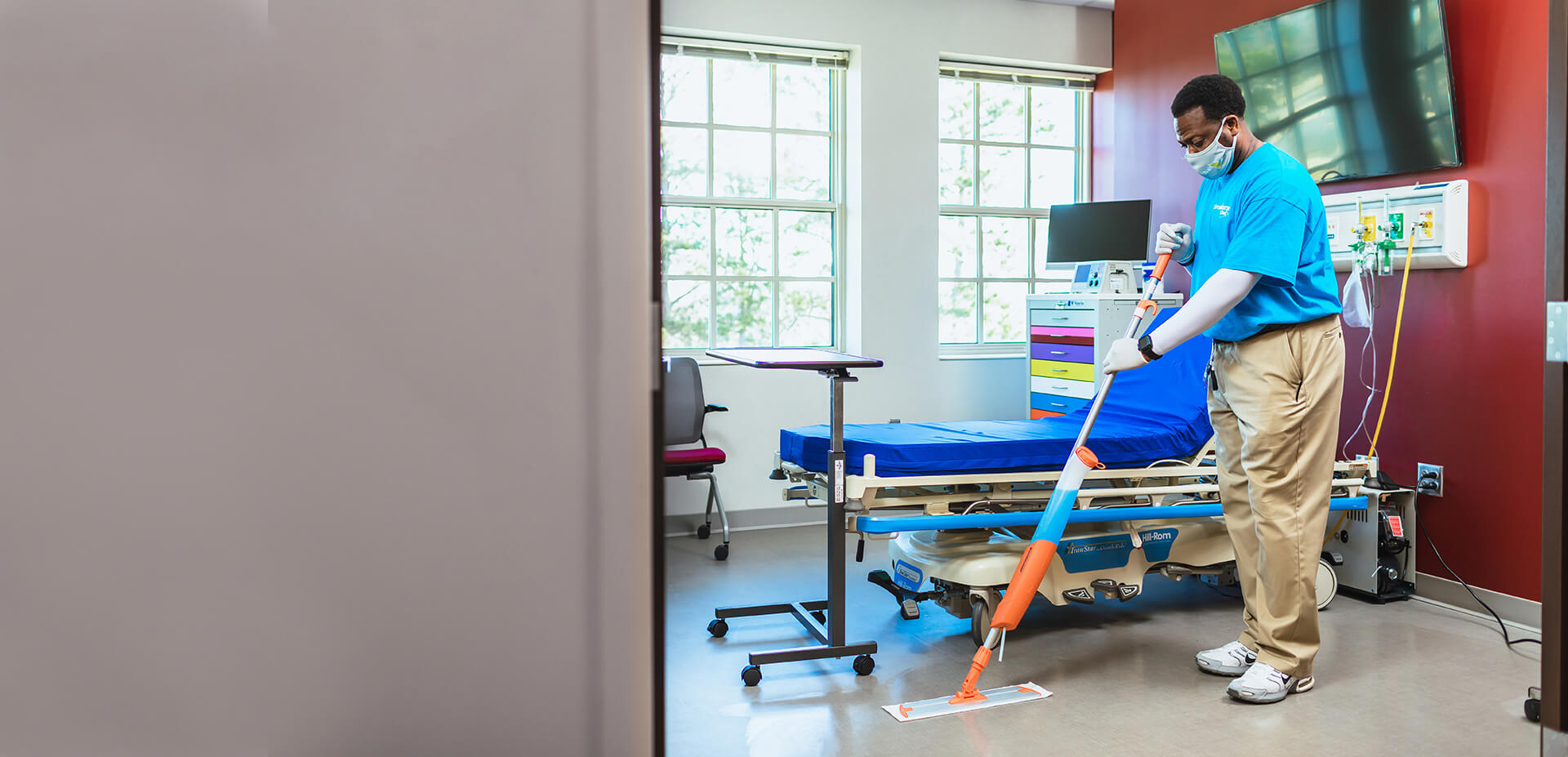 When your home is also your office, the mess you might normally ignore becomes something you stare at between video calls, and clutter you once brushed aside starts to affect your focus. I didn’t fully understand how much this mattered until I found myself juggling deadlines, two school-aged kids, and a dog who treats shedding like a full-time job.