
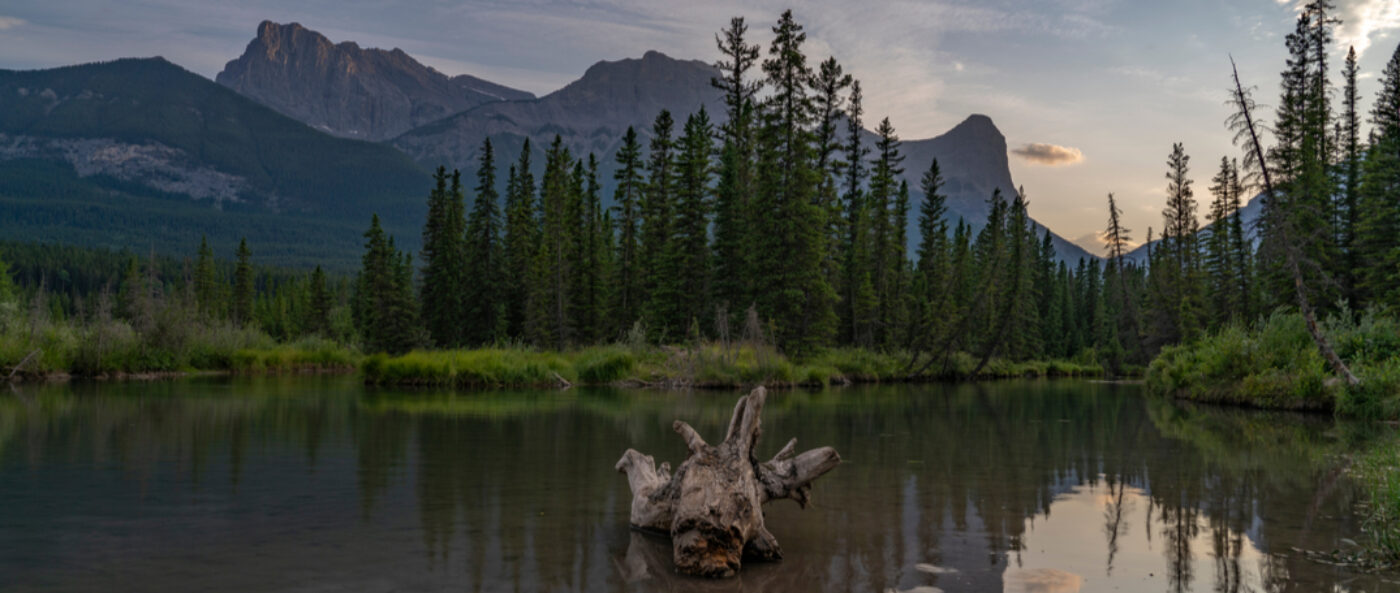
I’ve spent more than ten years running dumpster routes and managing roll-off operations across mountain states, and I can say this plainly: working with a reliable Mountain Region Dumpster Rental Company matters more here than it does almost anywhere else. Mountain terrain changes everything—access roads, weather, job timelines, even how fast a container fills once debris starts rolling downhill instead of sitting flat.
I didn’t fully appreciate that early on. My first winter handling a remodel project in a high-elevation town taught me fast that “standard” dumpster planning doesn’t survive mountain conditions. The driveway looked fine during the estimate, but once overnight snow hit and the ground froze unevenly, the placement we planned wasn’t usable. We had to reposition the container twice, burning daylight and frustrating the crew. Since then, I’ve learned to think three steps ahead—ground stability, slope, plow access, and turnaround space—before a dumpster ever leaves the yard.
One thing people often underestimate in the mountain region is how quickly debris volume adds up. On a roofing job I supported last spring, the contractor assumed a smaller container would do because the square footage wasn’t huge. But tear-offs in mountain areas tend to include heavier materials—ice-dam damage, layered shingles, and old decking that’s absorbed moisture over years. By day two, the container was already flirting with weight limits. That’s not a paperwork problem; that’s a safety and hauling issue that can shut a job down if you don’t plan for it.
From my experience, the best mountain dumpster operations don’t just drop steel and leave. They ask questions others skip. What’s the elevation? Is the site exposed to wind? Will snowmelt affect access mid-project? I’ve personally advised customers against placing dumpsters too close to slopes because I’ve seen containers shift slightly after freeze-thaw cycles—nothing dramatic, but enough to crack pavement or make loading awkward and unsafe.
I’m also opinionated about timing in this region. In flatter areas, you can sometimes stretch a rental and adjust on the fly. In the mountains, missed pickups can cascade into real problems. I remember a residential cleanout where a delayed swap meant debris had to be stacked temporarily. Overnight wind scattered insulation and lightweight material across neighboring properties. Cleanup cost far more than an on-time haul would have. Since then, I always stress reliable scheduling over bargain pricing.
Another common mistake I see is assuming access equals accessibility. Just because a truck can technically reach a property doesn’t mean it can do so safely or repeatedly. Narrow mountain roads, tight switchbacks, and seasonal restrictions change the equation. I’ve personally turned down placements that looked fine on a map but posed too much risk once I walked the site. That kind of judgment only comes from being out there, watching trucks struggle, and knowing when to say no.
After a decade in this business, my perspective is simple: mountain dumpster rentals reward foresight and punish assumptions. The companies that thrive here understand terrain, weather, weight, and timing as interconnected factors—not separate checkboxes. When those pieces come together, projects move smoothly even in tough conditions. When they don’t, the mountains are quick to remind you who’s really in charge.